You design the future. We help you make it happen.
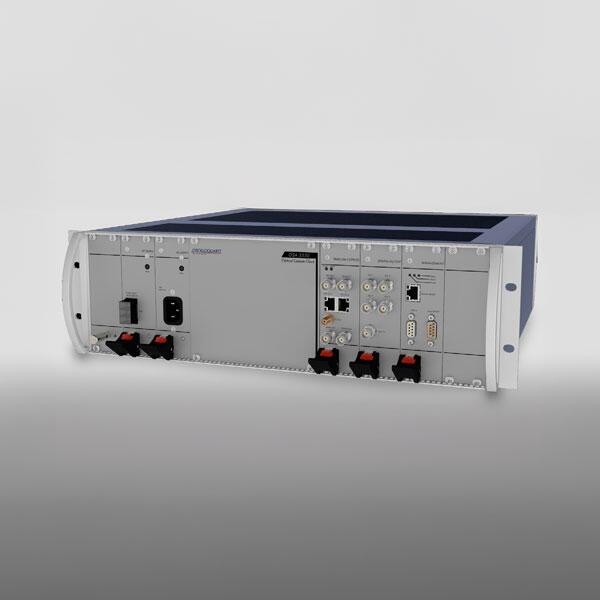
Brandywine - OSA-3350 Optical Cesium Atomic Clock
- OSA 3350 Cesium is the market’s first primary reference clock to utilize industry leading optical pumping technology
- Superior short-term and long-term stability compared to magnetic cesium
- Capable of 100 nanoseconds of holdover for a minimum of 30 days
- Compact, 3U 19” rackmount form-factor
- Guaranteed 10-year minimum life expectancy
To highlight, this is the industry’s first cesium that leverages optical pumping technology. This optimizes the process of selecting and measuring the cesium atoms. The OSA 3350 provides a highly efficient, low-power capability of delivering 100 nanoseconds of holdover for a minimum of 30 days.
Document
More Product Information
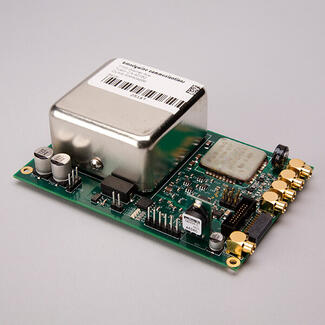
- 3 isolated low phase noise 10MHz outputs
- Internal GPS Tracking Receiver
- External 1 PPS input
- Small footprint designed for easy integration
- Disciplined high stability OCXO
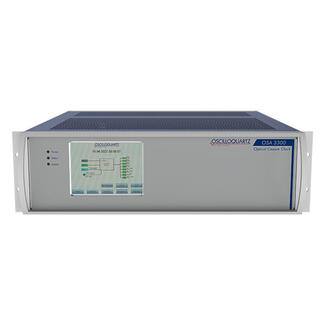
- First commercial high-performance cesium atomic clock using optical pumping — 100 times more atoms can be measured compared to magnetic clocks.
- Offers 10 times higher clock stability.
- Double the operational lifetime compared with traditional magnetic cesium clocks.
- Wide range of ultra-low noise frequency outputs (e.g. 5 MHz, 10 MHz, 100 MHz) — plus multiple 1PPS outputs, supporting high-precision timing distribution.
- Frequency accuracy ≤ ±5 × 10⁻¹³; reproducibility after power cycle ≤ ±1 × 10⁻¹³.
- Adjustable frequency offset: resolution ±1 × 10⁻¹⁵, range ±1 × 10⁻⁹.
- Rack-mount (3RU, 19″)
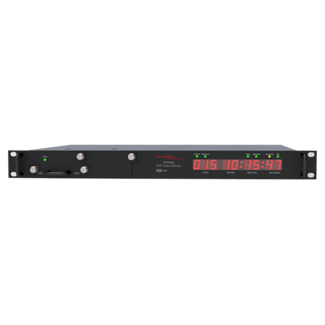
- Accurate & reliable time data from a trusted source. Precision hardware PTP timestamping to 8ns
- Remote configuration and status via web browser, remote monitoring with SNMP
- Synchronization between users – eradicates discrepancies System time stamping, such as e-commerce transactions, e-mail sent & received, is highly accurate
- Automatic systems procedures such as backups occur at the correct time and in the correct order
- Additional time signal outputs can feed to other systems
- Multiple time source fall back and priority configuration can ensure high synchronization availability
- Various oscillator choices allow for long holdover to maintain time accuracy when synchronization signals are absent
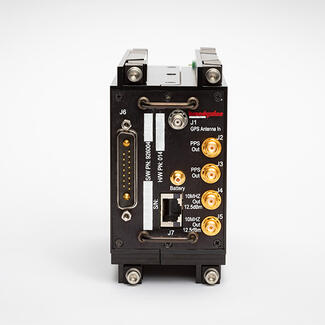
- Ruggedized
- Flight Qualified
- Available with vibration-isolated OCXO or CSAC Oscillator options
- Gigabit Ethernet
- GNSS, SAASM, or M-Code supported
- Designed for GPS denied environments
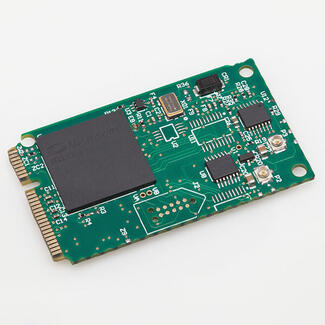
- Single-slot 32 bit PCI Express module
- IRIG A, B, NASA 36, 1 PPS sync inputs
- HaveQuick sync input option
- Propagation delay correction
- Zero latency time reads
- Match Time status / interrupt
- IRIG-B time code output (option)
- External Event time tag
- User programmable heartbeat rate interrupt
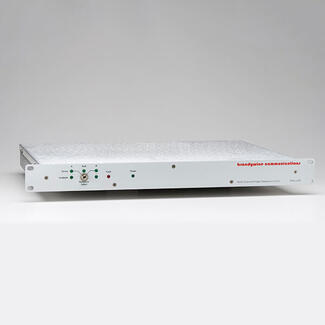
- Wide Input Bandwidth
- Input Isolation
- Automatic & Manual Changeover
- Transformer Coupled Outputs
- Twenty four Outputs
- Front Panel Status Indicators
- Fault Discrete Inputs
- Compact 1U, 19” rack mount
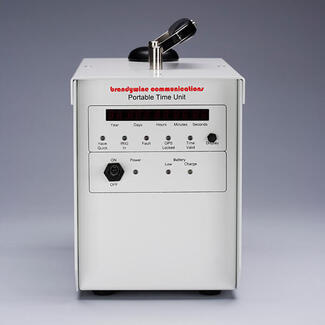
- 16 channel GPS SPS receiver (standard)
- IRIG B Time Code (standard)
- HaveQuick/1PPS from external GPS receiver (standard)
- Temperature Compensated Crystal Oscillator (TCXO) – option
- Oven Controlled Crystal Oscillator (OCXO) standard
- Atomic Rubidium Oscillator – option
- 1PPS 1 Pulse Per Second Signal Time Mark
- Have Quick Time Code
- IRIG B Time Code
- NTP

Food and beverage technology is changing the global food and beverage industry from production to delivery. Consumer and market demand for sustainable and healthy products also means stricter regulations that promote safe consumption, sustainable package production, and effective recycling or disposal. These trends add up to a heightened demand for organizations in the industry to commit to testing protocols that ensure food safety, quality, and compliance with evolving standards. Facilities and manufacturers face challenges such as implementing advanced traceability systems, ensuring the safety and efficacy of new ingredients and packaging materials, and adhering to rigorous environmental regulations. Additionally, the rise of automation and digitalization in food production results in new challenges related to interoperability and cybersecurity. Testing facilities must adapt swiftly to support R&D efforts, ensuring the safe, efficient, and compliant production of innovative food and beverage products in a rapidly changing market landscape.
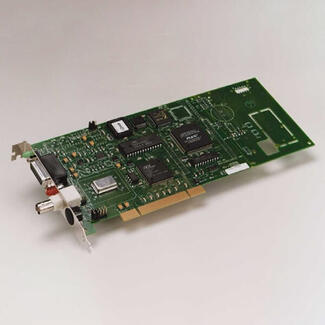
- 3/4 length board (1/2 size available w/o GPS input)
- Optional Have Quick synchronization input
- IRIG’s A and B and NASA 36 time code inputs
- 1PPS sync input
- IRIG B output option
- 1PPS and time code inputs are redundant
- Single-slot including GPS option
- Zero latency time reads
- External Event input (optional eight or sixteen inputs)
- Match Time output
- Programmable Heartbeat rate

Brandywine Communications
Website
Video Compression, Time & Frequency Stds, GPS and Board Level Timing Solutions