You design the future. We help you make it happen.
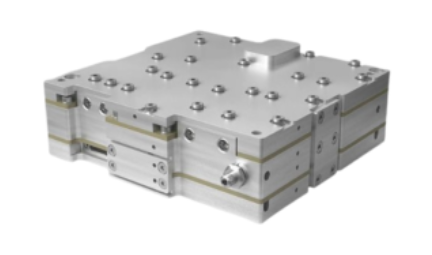
Safran DSI - N-Sphere GNSS Receiver
- High Reliable New Space Design
- 5 Year Life-Time LEO Missions
- Multi-Constellation (GPS, GALILEO, BeiDou, & GLONASS) / GALILEO Autonomous
- In-Flight Firmware Uploading
N-SPHERE comes as a new generation of Space GNSS receiver, optimized for a smooth integration within Nano and Cube satellites. It implements the latest state-of-the-art positioning and synchronization techniques, to reach top-class performances for Real-Time Precise Onboard Orbit Determination (P2OD) and accurate time synchronization in space.
The receiver can synchronize from different GNSS systems including GPS, GALILEO, BeiDou and GLONASS. Its synchronization process is GALILEO autonomous with no need of GPS pre-synchronization. In terms of positioning, N-SPHERE provides accuracy better than 0.3 meters, thanks to an Onboard Orbital Navigator (referenced as “Bolero”). Its Software-Defined-Radio (SDR) core architecture brings maximum flexibility and authorizes in-flight firmware upgrade or software configuration adjustment.
More Product Information
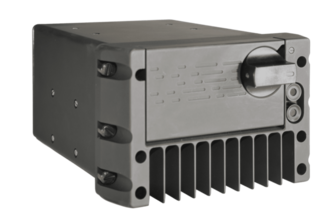
- File Server Capability: User-Defined Media Partitioning
- Qualified for Hard Environment: DO-160, MIL-STD-704, -461, -810
- Designed to Minimize Obsolescence Risk & Management: FPGA-Based Design
- High-Definition Video, Processing & Recording: VESA, HD-SD, DVI
- High-Capacity Rugged Removable Cartridge: 64TB to 2TB
- Databus: MIL-STD-1553B (MT/RT, ARINC429, RS422

- Easy-to-Install Windows 10 Utility
- User-Friendly Menu-Driven Operation: MIL-STD-1553B (MT/RT< ARINC429, RS422
- ARINC-717 Compliant
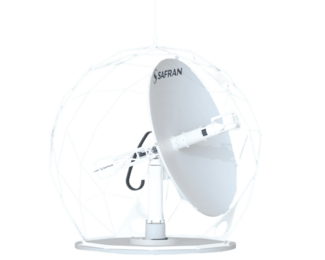
- Tri-Band S/X/KA: The best ratio of miniaturization/performance in any configuration
- AutoTrack S-Band: Supports any kind of operation
- Simultaneous Dual-Pol: For S, X and Ka-Band
- Earth Observation/Satellite Constellations: Meet your requirements
- Radome Covered: Maximum sustainability for any environment
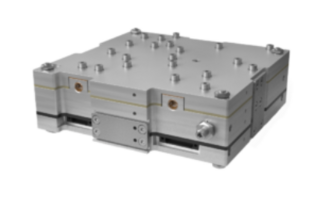
- Proven Design: COTS design optimized for New Space
- Long Lifetime: 5-year lifetime
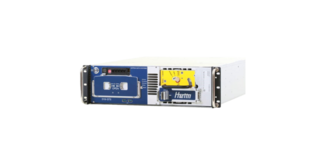
- Ultra-High Download Rate via 40 GBit Ethernet: Multiple File Read
- High Security: Data At Rest Protection, Firmware Updates, Removable Secure Operational Disk (RSOD)
- Multiple Interfaces: 10 GigE (RJ45) for setup and control; 40 GigE (QSFP+) for data download
- Intuitive GUI: Web User Interface for Set up and Canister Specific Functions
- Linux Operating System: Managing the system with RHEL web console
- Variety of Use-Cases: Flight Tests for Aircraft, Helicopters, New Air Mobility, Defense, Intelligence, Surveillance & Reconnaissance (ISR)…
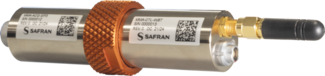
- Fit Anywhere: from Ø0.94×2.95″, weight < 2.46 ounces
- Autonomous: Internal recording, optional battery cell, low-power design
- High Accuracy: 0.2% typ. over the temperature range SNR > 100dB
- Easy to Install: Cylindrical shape compatible with standard pipe clamps
- Easy to Configure: Wireless configuration, sync. and streaming
- Designed for Harsh Environments: -40°C / +85°C, waterproof, shocks, vibration, EMI/EMC
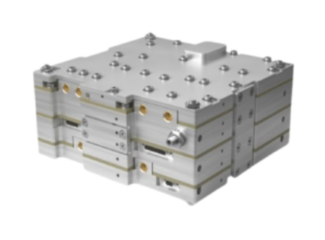
- Proven Design: Designed for New Space with radiation tested and hardened
- Multi-Constellation: GPS, GALILEO, Beidou
- Long Lifetime: 2-5 year-lifetime in Low Earth Orbit (LEO) Missions
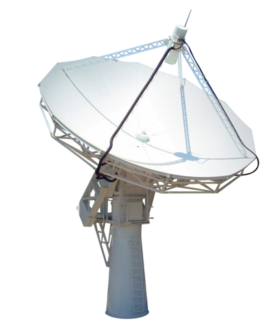
- Best-in-Class Servo Controls: User Selectable Servo Controls
- Modular L, S or C Band: Simple Add-On Upgrade without any Structural Change
- Transportable Version: Relocatable skid-mounted or trailer version
- SCM 1000 Hz Scan Rate: Common Design for Main & ACQ-AID Feed
- Dual Drive: Uninterrupted Operations, No Backlash
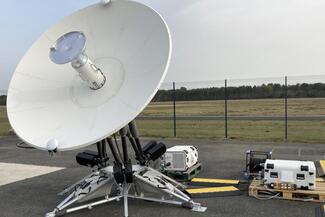
- Fast Set Up/Teardown: Single tool for mounting less than one (1) hour
- Field Maintenance: Made out of LRU parts for easy maintenance and repair
- MIL Standard Compliant: Easy handling
- Standard Shipping: Portable boxes shipped via FedEx, UPS, ...
- Designed for Field Operations: Air cooling free, auto North alignment, auto ground compensation
Safran DSI
Safran DSI Testing & Telemetry provides complete, end-to-end solutions covering instrumentation, mission systems, onboard recording, and transmission, through to base stations for data monitoring and control. Our solutions are platform-agnostic and adaptable to customer mission needs.